
Building a culture of digital protection in Costa Rica, Ecuador and Peru
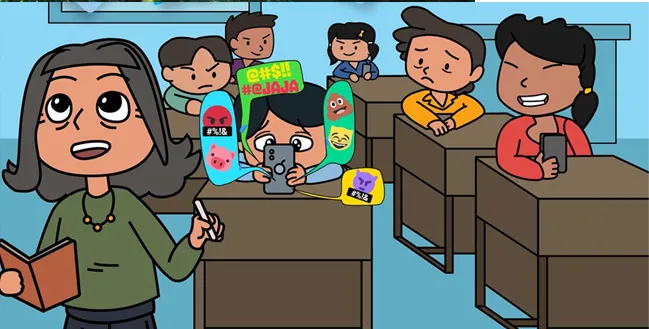
From the awareness campaign in Peru
Keeping children safe today means looking beyond their physical environment to the online spaces where they learn, play and connect. The COVID-19 pandemic and rapid advances in technology, including artificial intelligence, have permanently increased our reliance on digital tools, creating new risks and gaps in child protection.
Recognizing digital risks
The first step was to understand the reality that children and young people experience online.
Costa Rica: Safeguarding teams identified unsafe social media use, cyberbullying and grooming as the main risks children encountered. Online safety quickly became a topic of everyday conversations, and digital protection was integrated into daily care and risk planning, said Laura Chaves Zamora, National Coordinator for Child and Youth Safeguarding at SOS Children’s Villages Costa Rica.
- Ecuador: Reports received from programs revealed safeguarding concerns, particularly online peer harassment, explains Aida Paredes, Incident Manager at SOS Children’s Villages Ecuador. This led to the creation of a national, multi-generational prevention model that prepares adults to accompany children online and strengthens educators.
Peru: Since 2022, an annual survey has helped to better understand post-pandemic digital risks and children’s behaviour online. The results have informed the ongoing development of Conectadasos, a nationwide awareness campaign. For example, discovering that grandparents are primary caregivers in many households led to the creation of a grandfather character in the campaign materials.
Lessons learned
To be effective, digital safety training must be intergenerational and help bridge knowledge gaps between children, caregivers and educators.
Costa Rica: Programs help to reduce the gap between digitally active children and adults who often feel less confident using technology.
Ecuador: Technical teams train educators who work with families, ensuring sustainable scaling and consistency across all programs. “The goal is that everyone knows what to do before incidents happen,” says Aida Paredes.
- Peru: The Conectadasos campaign reaches across generations by offering social media filters and comics for children, safety tips for caregivers, and guides for teachers. To achieve broader impact, the campaign is raising awareness in schools, universities, and communities.
“Technology should bring families together,” says Katia Ortiz, Communications and Digital Strategy Specialist at SOS Children’s Villages Peru.
Partnerships and co-creation
Listening to children was the starting point across all initiatives.
Through surveys and in-person assemblies, children shared their digital experiences and insights on online risks, helping to shape messages and learning materials. This participatory approach ensured content reflected their real lives and remained relevant across different contexts, including for children with limited internet access.
Collaboration and co-creation were key to making digital safety programs effective.
- Costa Rica: Worked with a national expert on digital rights to develop engaging resources, including games, educational cards, workshops, and a webinar encouraging adults to guide and support children online rather than only control their digital use.
Ecuador: Worked with experts in digital parenting and SOS ambassadors to translate complex safety concepts into simple, everyday language for caregivers.
- Peru: Partnered with cybersecurity experts, bringing together technical, legal and educational expertise to develop child-friendly digital safety content.
Lasting impact
These digital safety initiatives produce measurable results and long-term cultural shifts.
Costa Rica: Digital vulnerability cases at SOS Children’s Villages dropped to zero in 2024. Staff and children openly discuss online safety, understand their responsibilities, and act early when concerns arise. Tools like mobile apps and QR code reporting strengthen daily practice. “Technology is now seen as a tool for protection and empowerment,” says Laura Chaves Zamora.
Ecuador: Educators and families moved from uncertainty to confidence, turning digital safety conversations into trust-building moments.
- Peru: Findings from its annual survey continue to inform policy discussions. Awareness of reporting channels has increased from 5% to more than 20% among respondents, and legal reforms now recognize online grooming as a punishable offence, even without physical contact. The very successful Conectadasos campaign has reached more than 28,000 people with in-person activities and continues to generate millions of views online.
Looking ahead
The development of digital safeguarding is ongoing.
Costa Rica: Educators are preparing children to proactively recognize and address the effects social media has on their self-esteem and mental health, and to identify AI-manipulated content.
Ecuador: The Safe Digital Parenting initiative continues to focus on digital wellbeing, helping families navigate online environments safely.
- Peru: Conectadasos is set to become a long-term educational resource, offering open data and training tools on emerging challenges such as misinformation.
“We are not just preventing harm,” concludes Laura Chaves Zamora. “We are cultivating a culture of digital care that lasts.”