
The joy of play and belonging: How sports bring children together
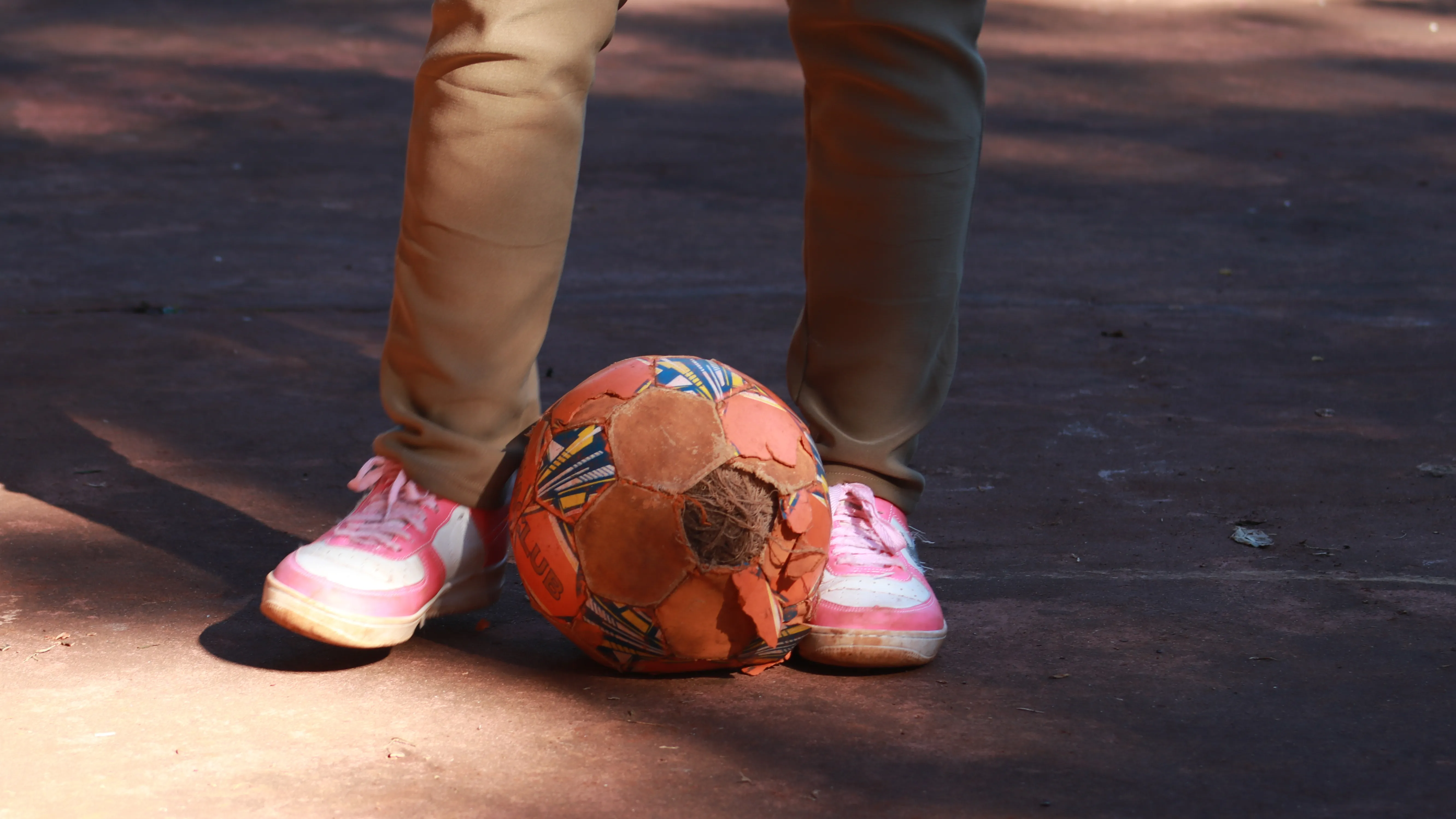
Millions of people worldwide play soccer – or football as most of the world knows it – including many children in our programs. For them, it is part of everyday life. The simple act of kicking a ball around brings them together and gives them a sense of belonging. Like any team sport, it also teaches them how to navigate disagreements, cooperate, and resolve conflicts on and off the field.
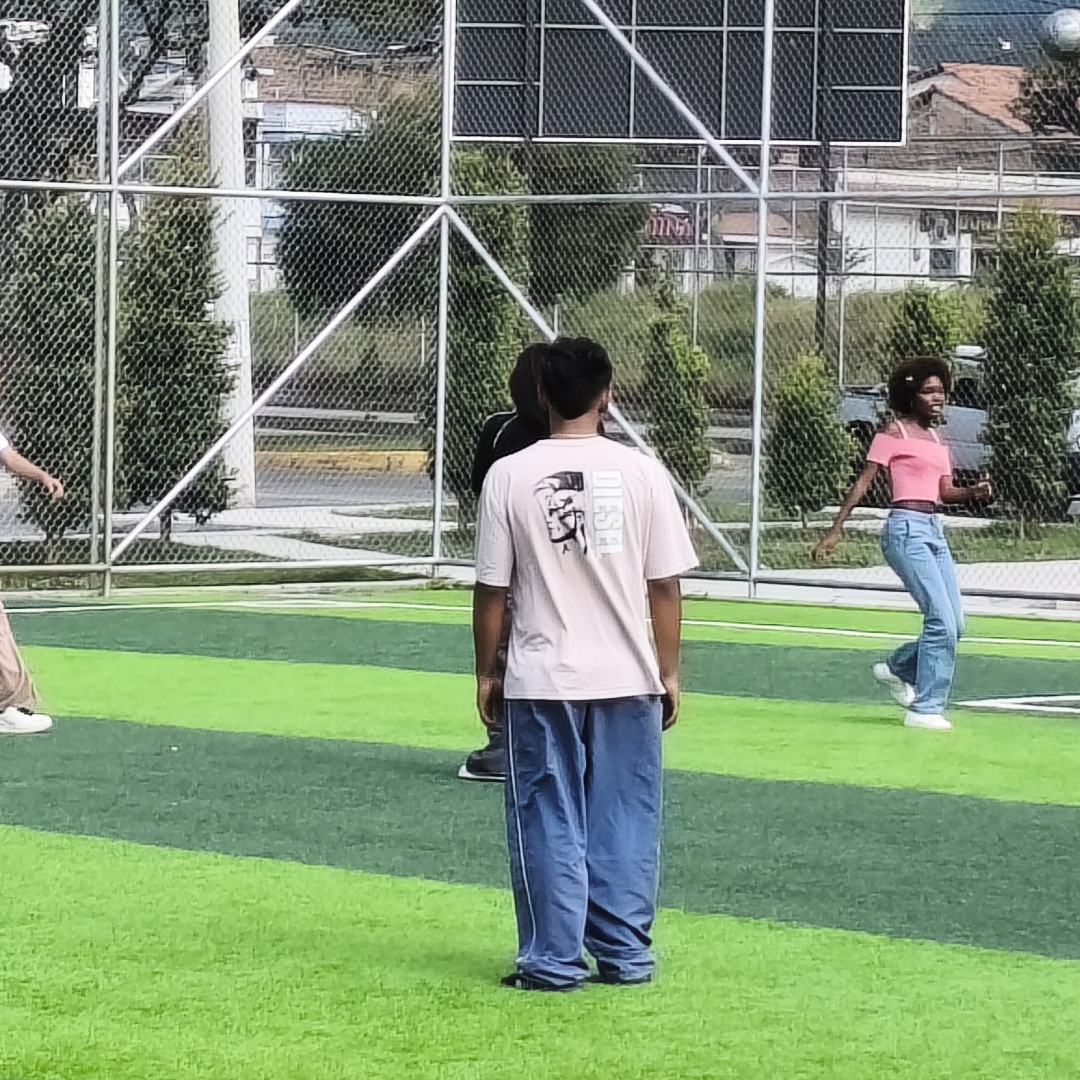
Many may be looking forward to watching their heroes on screens, but in Ecuador, they could not wait and organized their own sports tournament to celebrate the excitement of the World Cup.
It was a beautiful, sunny morning when they gathered at a field near SOS Children’s Villages in Ibarra and launched their "mundialito" tournament. Sebastian immediately grabbed a ball to play volleyball with his friends, but many other activities were on the schedule for the day.
"I liked the spoon relay race best," Anita laughed, "because it was great fun using a table tennis ball instead of a real egg."
Pure joy and lively energy could be felt across the entire sports ground.
“When I do sports, I feel truly happy and excited," Elena shared.
"Football [soccer] is my favourite. I love playing with my friends. Even if we lose, it does not matter. Now blow the whistle for the match, Michael," Daniel calls out.
Only a few minutes later, Daniel scored the first goal. It was wonderful to hear the children laughing and cheering.
Sebastian is thrilled that Ecuador will play against Germany at the World Cup. "This time we will win, do you want to bet?”
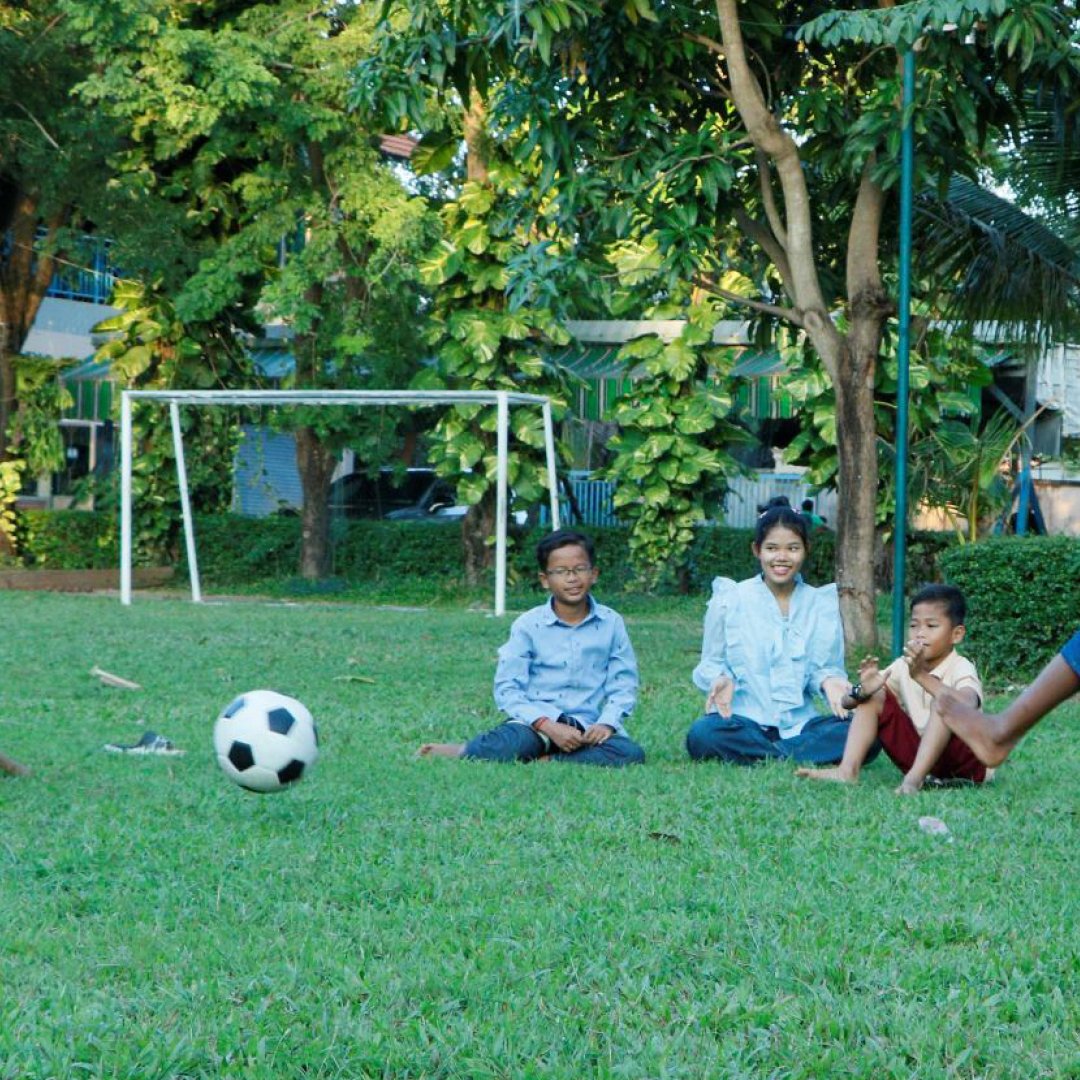
In Thailand, the excitement begins long before the soccer match starts. From warm-up exercises to practising their kicks and gathering in a pre-game huddle, the children come together through friendship and teamwork.
Soccer and sport also play an important role in many SOS Children's Villages child-friendly spaces around the world.
Child-friendly spaces
Child-friendly spaces are safe and supportive environments where children can play, build relationships, receive psychosocial support, learn about their rights and access services that promote their wellbeing and protection. They are most often implemented in emergency response settings and longer-term community-based programs.
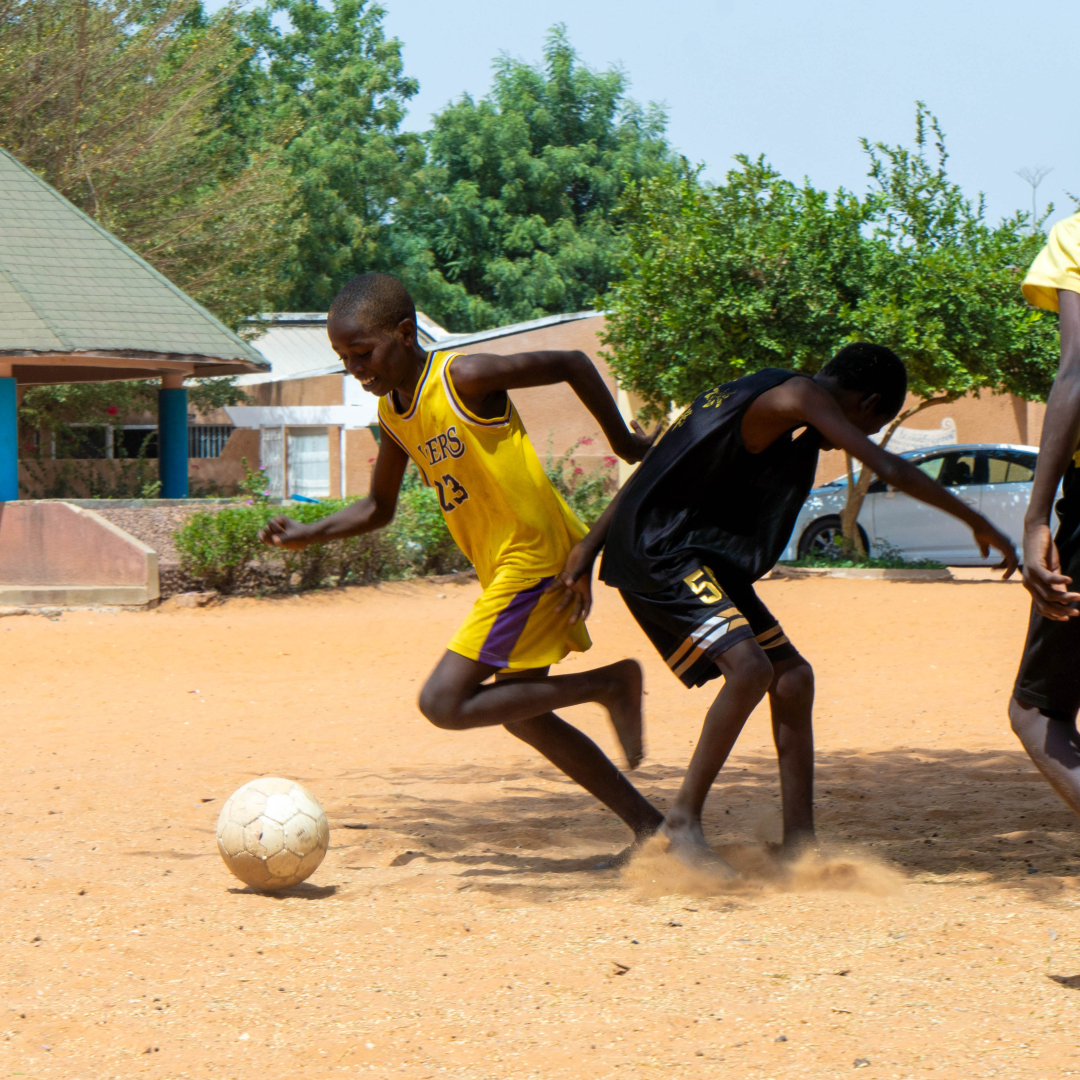
In 2025, SOS Children's Villages opened a new centre in Louga, Senegal, offering protection and support for children who have become separated from their families or need immediate assistance. The centre has bright, colourful walls and a friendly atmosphere which make it a cozy and important refuge for children who might feel scared and lost. Through activities such as soccer, the centre helps children build confidence and a sense of belonging in a safe environment.
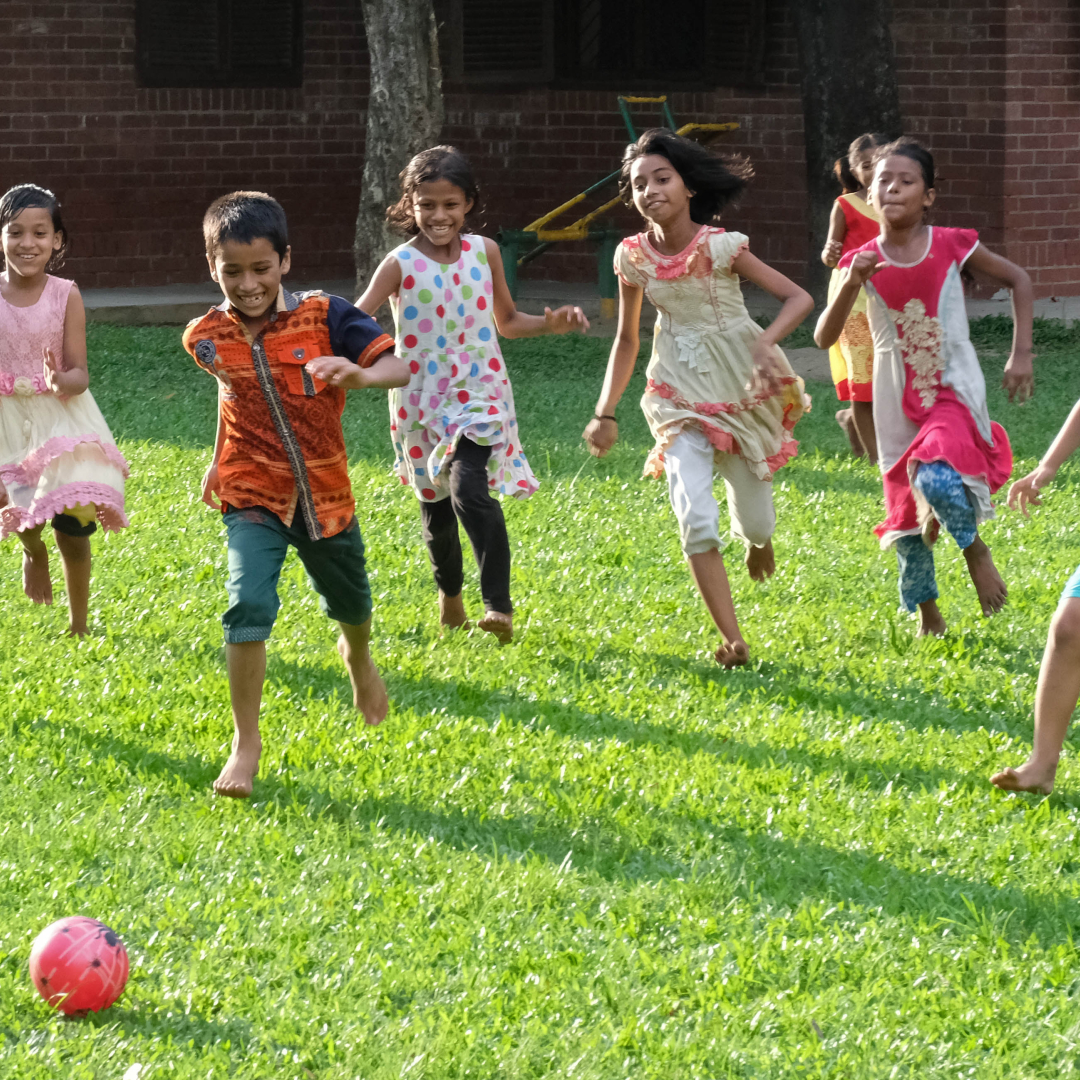
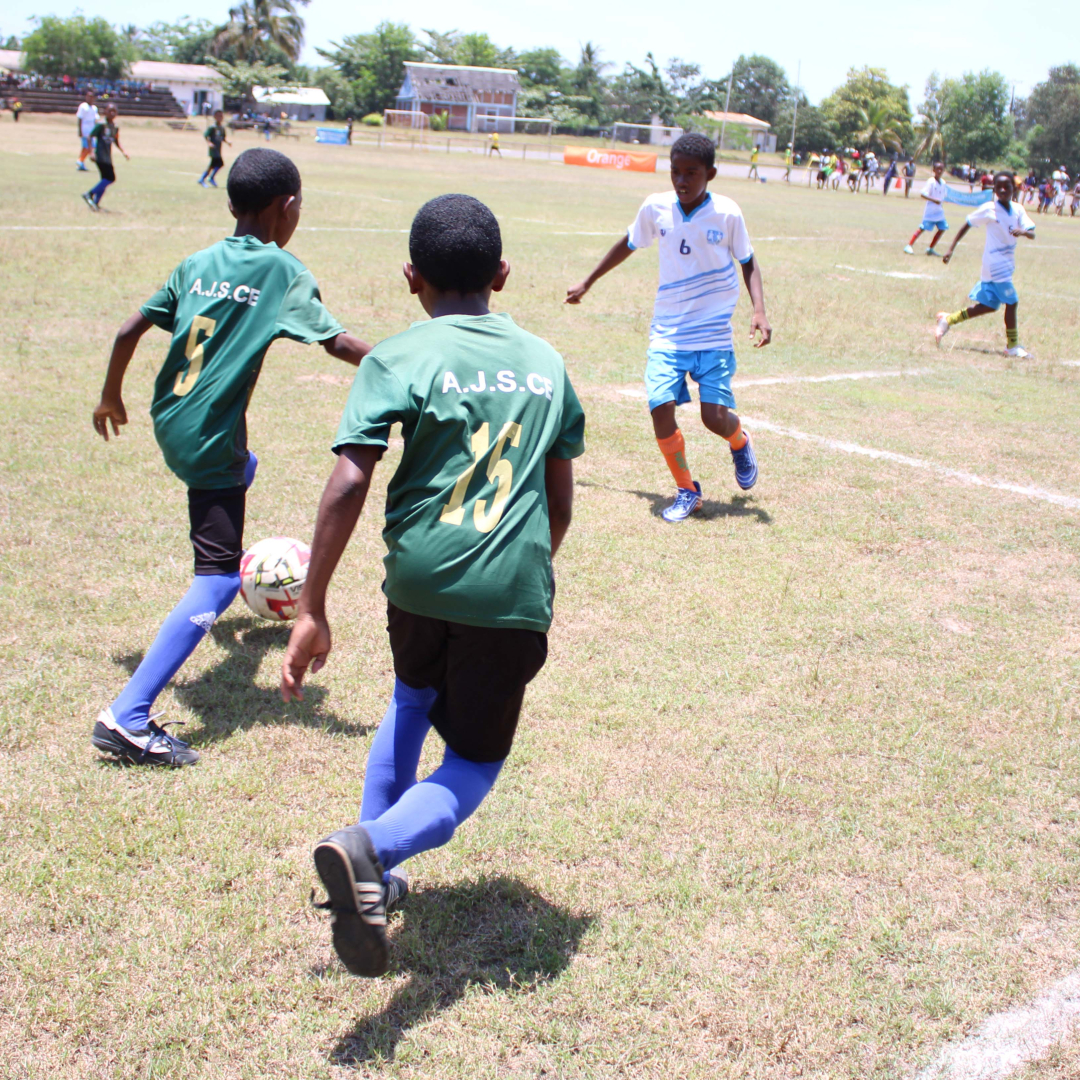
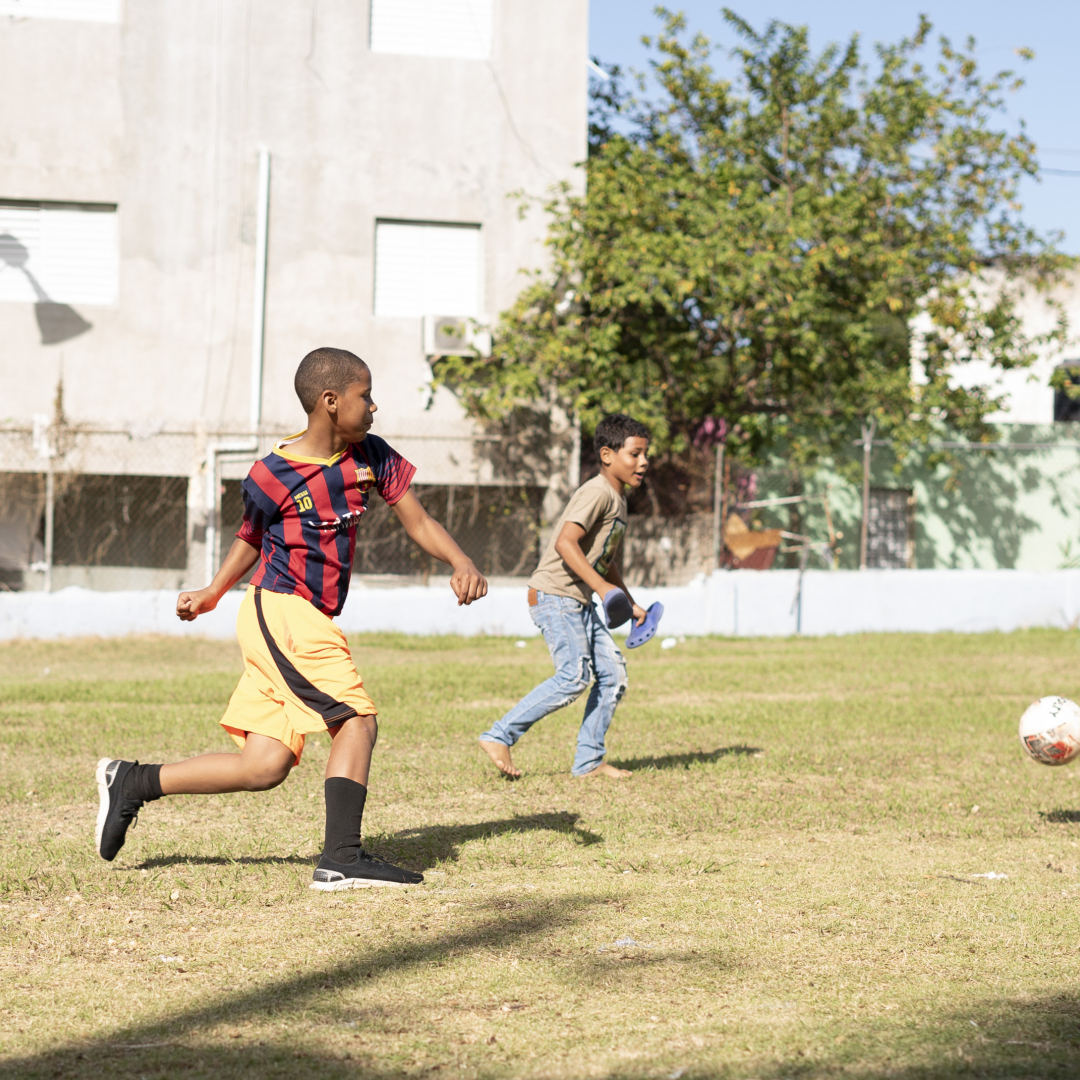
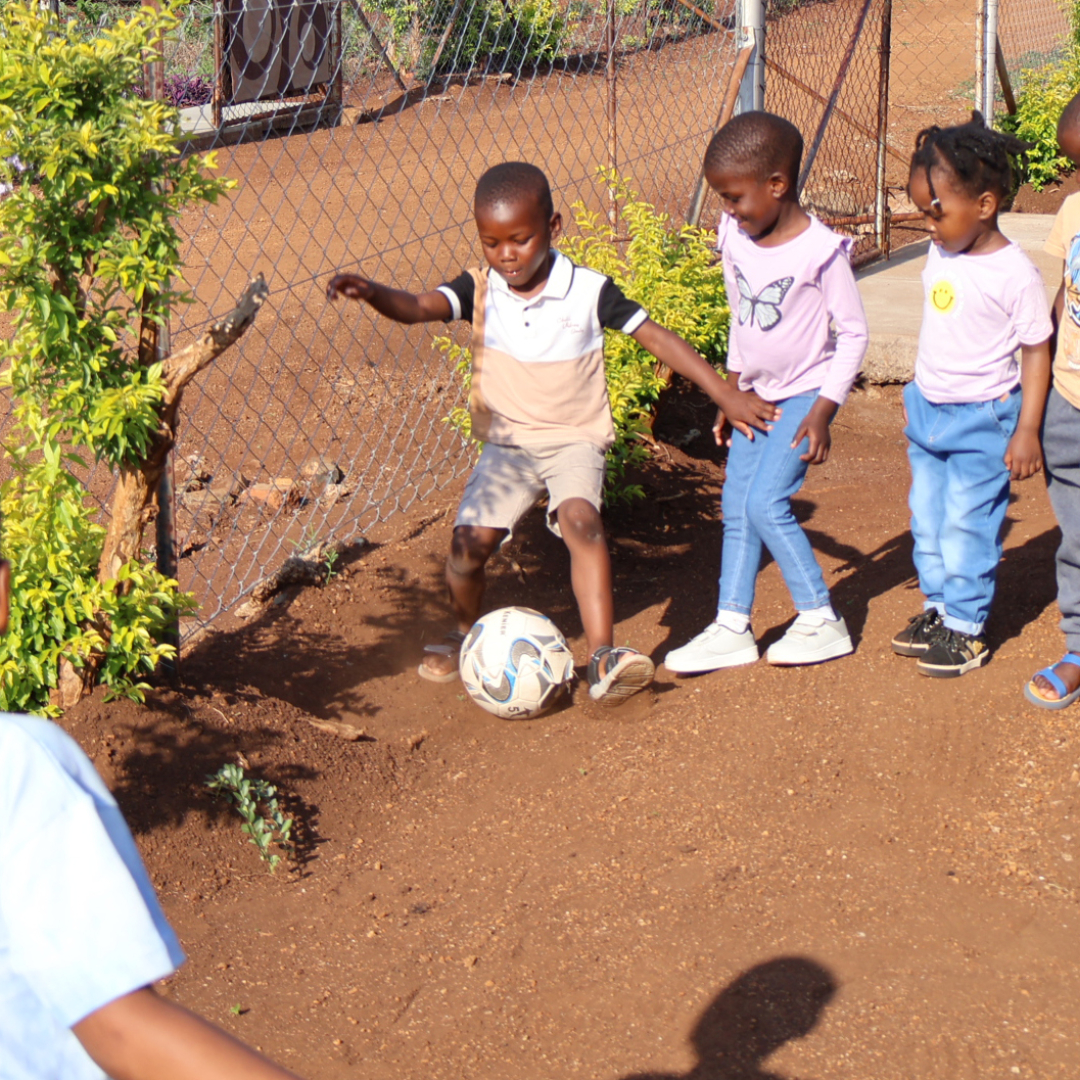
While the World Cup highlights the best players from around the world, here is a snapshot of children in SOS Children's Villages’ programs playing soccer worldwide.
-
Image
-
Image
-
Image
-
Image
-
Image
-
Image
-
Image
-
Image
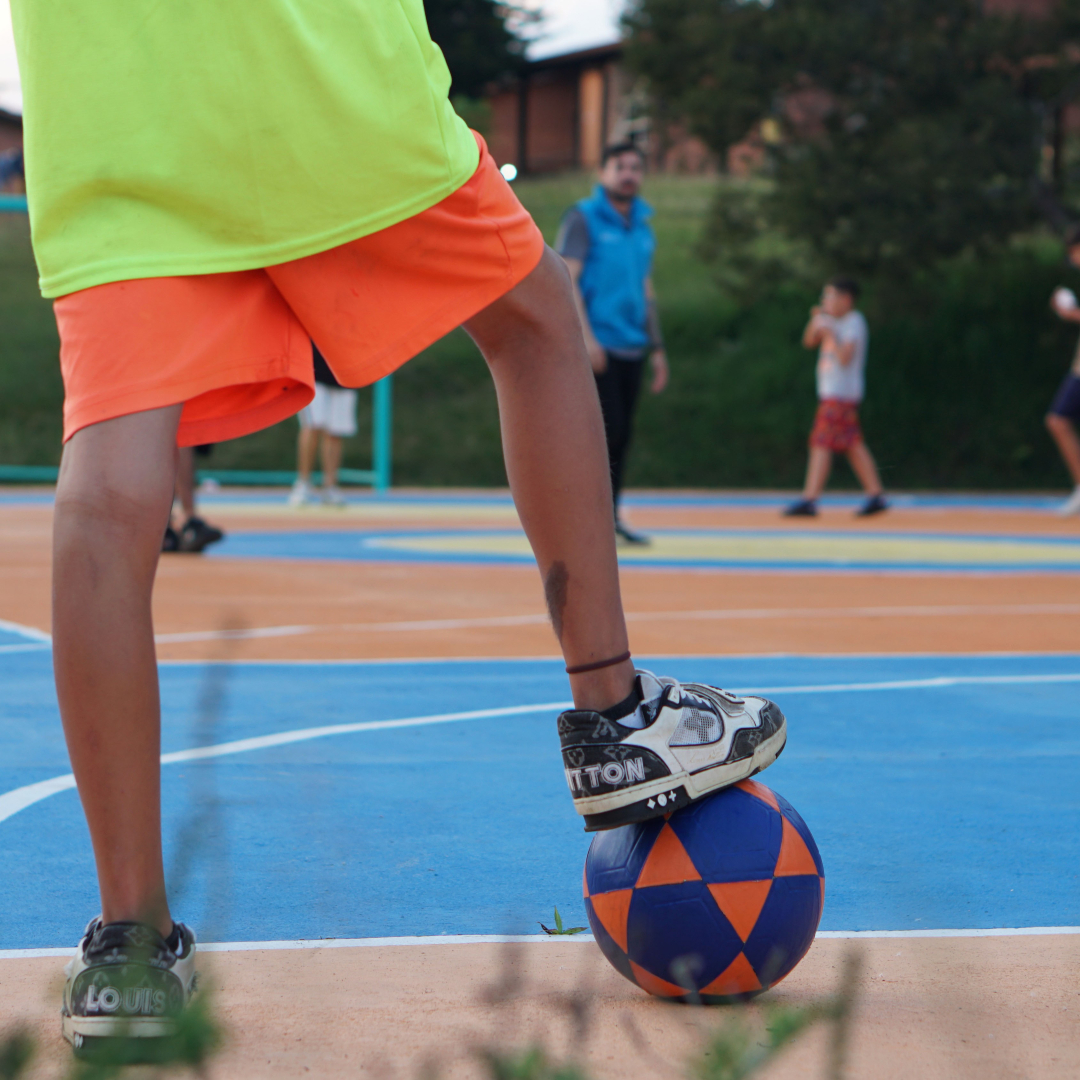


Some children and young people will take a break to watch the World Cup with family and friends, cheering for their home teams, while others will continue playing long after the final whistle blows.
For every child, the opportunity to play, connect with others and simply be a child is not just a pastime; it is a fundamental right.