Green Growth invests in young people to help shape Ethiopia’s electric vehicle future
Ethiopia is not simply participating in Africa's electric vehicle (EV) transition but also helping define it. In January 2024, Ethiopia became the first country in the world to implement a policy banning the import of new petrol and diesel vehicles, marking one of the boldest national commitments to electric mobility.
The decision was driven as much by economic realities as by climate ambitions. For years, Ethiopia has spent billions of dollars importing fuel, placing immense pressure on the country's foreign currency reserves. Annual fuel imports have been estimated at more than $4.2 billion, while monthly fuel subsidies reached approximately $128 million.
With more than 90 percent of Ethiopia's electricity generated from renewable hydropower, the government recognized that powering vehicles with domestically generated electricity made far greater economic sense than continuing to rely on imported fossil fuels. Since then, electric vehicle adoption has accelerated rapidly, from approximately 7,000 EVs in 2023 to a projected 115,000 vehicles by the end of 2026.
This growth positions Ethiopia as a continental leader in electric mobility and demonstrates what is possible when policy, energy resources and national priorities align. Rapid technological transformation brings new challenges and opportunities:
- The rapid growth of electric vehicles has created growing demand for specialized technical skills, with too few technicians currently equipped with the specialized knowledge needed to service, diagnose and repair EVs.
- Charging infrastructure remains limited outside Addis Ababa, creating challenges as EV adoption expands.
- Power interruptions continue to present operational challenges for EV users and charging infrastructure.
- Spare parts supply chains are still developing, affecting vehicle maintenance and repair.
- Insurance costs further increase the financial risks associated with EV ownership. Since batteries account for a significant proportion of an electric vehicle's value and specialized repair services remain limited, insurers often classify EVs as high-risk assets, contributing to higher ownership costs.
Together, these challenges highlight the reality that Ethiopia's electric mobility revolution is creating an entirely new labour market that requires an equally ambitious investment in skills development.
Building skills for the EV sector
Recognizing this emerging need, SOS Children's Villages in Ethiopia, through the Green Growth: Empowering Youth for a Green Future (Green Growth) project, is helping prepare young people for careers in one of the country's fastest-growing industries.
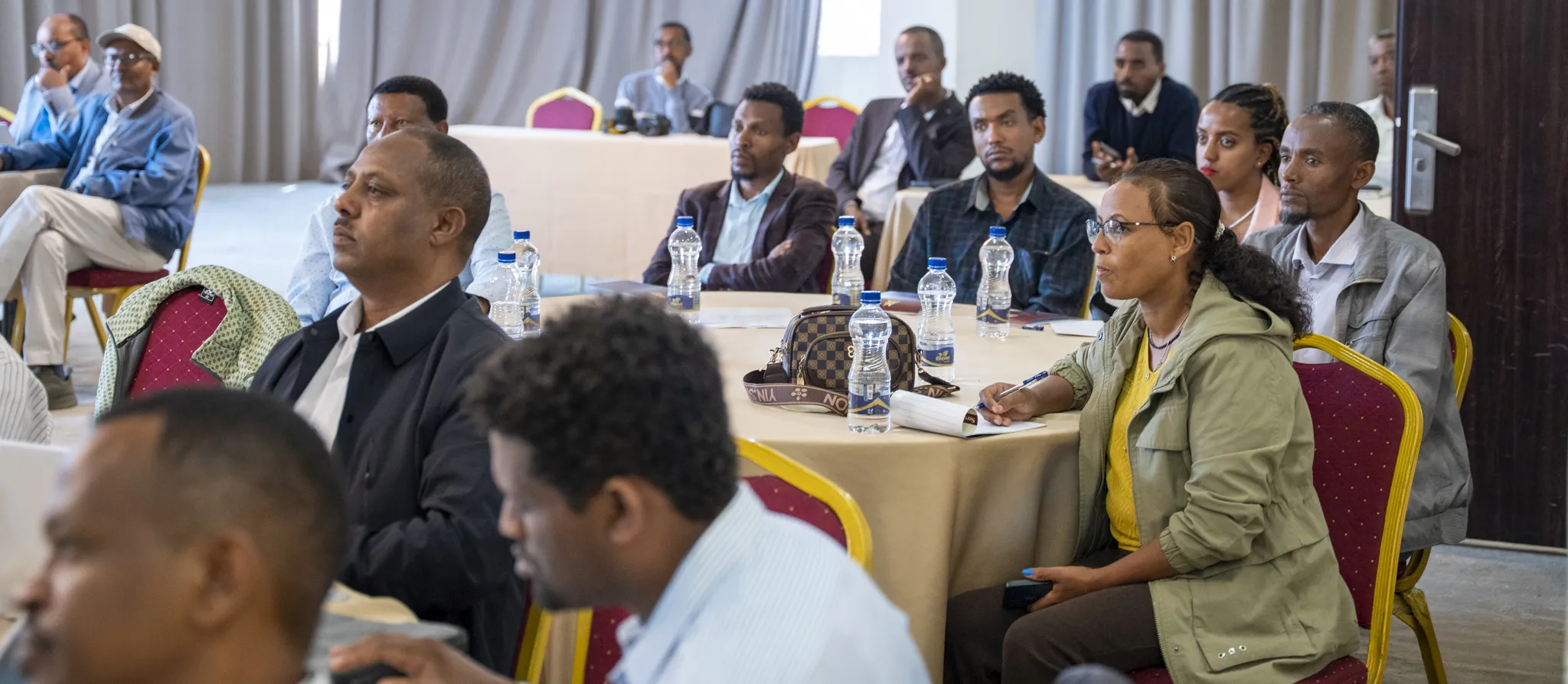
On June 25, 2026, the project conducted a Curriculum Validation Workshop for the Electric Vehicle Service and Maintenance Short-Term Training Program, bringing together key actors to ensure that the next generation of technicians will be equipped with the practical skills demanded by Ethiopia's evolving labour market. Developed under the leadership of the Ethiopian Ministry of Labour and Skills , the curriculum was reviewed by government representatives, Technical and Vocational Education and Training (TVET) institutions, industry experts, youth representatives, NGOs and other key stakeholders.
This collaborative validation process represents an important step towards building a skilled workforce capable of supporting Ethiopia's growing green economy while creating meaningful employment opportunities for young people experiencing hardship.
Youth voices shaping the curriculum
An important strength of the validation workshop was the active participation of young people themselves. Bereket, who is currently enrolled in the project's TVET short-term Solar Panel Installation program, welcomed the initiative as a timely investment in Ethiopia's future workforce.
While recognizing the great potential of the program, he also provided thoughtful recommendations from a learner's perspective. He highlighted that:
- Electric vehicle service and maintenance covers several specialized fields, including charging systems, diagnostics, tools and equipment, battery technologies and repair techniques. Each requires substantial long-term practical learning.
- Extending the duration of the training beyond a short-term course would enable participants to develop deeper technical knowledge and gain more hands-on experience.
- Piloting the curriculum with young people who already have foundational technical skills could generate valuable lessons and insights to strengthen future program delivery.
His reflections reinforced one of the workshop's key objectives: ensuring that the curriculum is not only technically sound but also practical, relevant and responsive to the needs of both learners and employers.
Next steps: From curriculum validation to training
The Curriculum Validation Workshop represents far more than the completion of a technical document. It demonstrates how skills development can be aligned with national development priorities, helping equip young people for jobs emerging from Ethiopia's green economic transformation.
As the country's electric vehicle sector expands, demand for qualified technicians will only increase. By validating an industry-informed curriculum today, SOS Children's Villages Ethiopia, the Ministry of Labour and Skills (MoLS) and relevant partners are helping ensure that young people have the skills to actively participate in this transition.
The next phase of the project will include:
- Submitting the curriculum for formal approval.
- Training instructors from selected TVET institutions.
- Rolling out the program to the first cohort of trainees.
- Assessing the first training cycle with experts from MoLS and the participating TVET institutions to identify areas for improvement.
Through this process of implementation, learning and continuous refinement, the project aims to ensure that the training remains responsive to industry needs while equipping young people with the skills required to support Ethiopia's growing electric vehicle sector.
Why your support matters
By combining skills development, internships and strong partnerships, the Green Growth project helps young people build real-world experience and access pathways to decent work in a greener, more inclusive economy.
Your support helps young people gain the skills and confidence they need to shape their futures and contribute to stronger communities. Every dollar you contribute is 3X matched, multiplying your impact and maximizing hope.
Green Growth is a five-year initiative launched in 2025 in partnership with the Government of Canada through Global Affairs Canada.