
Green growth fuels the future of electric vehicle expertise in Rwanda

Photo: CHUTTERSNAP/Unsplash
Rising fuel prices are putting pressure on everyday life in Rwanda. For families, transport operators and businesses, each increase means difficult choices. Yet, amid this uncertainty, another question is emerging: If electric vehicles are the future, who will keep them running?
In Rwanda, the answer is already taking shape.
Inside a classroom filled with engineers, technical experts and educators, a quiet revolution is unfolding. Through the Green Growth: Empowering Youth for a Green Future (Green Growth) project, launched in partnership with SOS Children’s Villages Canada and the Government of Canada through Global Affairs Canada, SOS Children’s Villages Rwanda is preparing a new generation to embrace green technology and build the skills that will drive Rwanda's transition to a green economy.
The initiative has brought together the Rwanda Technical and Vocational Education and Training (TVET) Board, electric vehicle companies, and experienced instructors to develop a curriculum that will equip TVET institutions to teach electric vehicle maintenance and repair, as well as green energy generation technologies, including solar, hydropower and methane gas.
"This is more than a curriculum. It is an investment in young people's futures. Curriculum development is an important step in preparing Rwanda's transition from fuel dependence to renewable energy. It will help us develop the skilled experts our country needs. Within two years, we hope to see qualified technicians supporting Rwanda's growing electric vehicle and renewable energy industries," said François Nsengiyumva, Automobile Technology Specialist from the Rwanda TVET Board.
He also added that as electric mobility expands across the country, technical expertise must grow alongside it. Without skilled mechanics, engineers and renewable energy specialists, innovation cannot thrive.
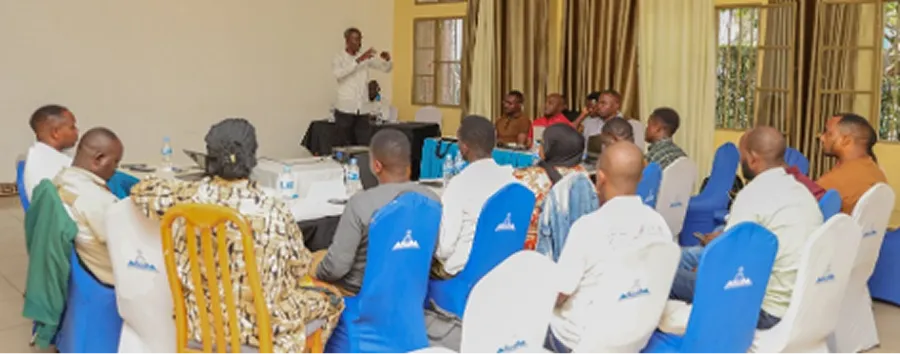
Octave Shyaka, Green Growth Project Manager at SOS Children's Villages Rwanda, says that the initiative reflects the organization’s broader commitment to preparing young people for meaningful employment in sectors that will shape tomorrow's economy.
"The best way to support young people is to equip them with the skills they need to compete in the labour market; we are starting with curriculum development because lasting change begins with education. This curriculum will help young people become highly skilled professionals in electric vehicle repair and hybrid green energy generation," he added.
Willybrold Niringiyimana, Technical Director at Bright Garage, said changing perceptions is just as important as developing technical skills.
"Many people believe electric vehicles and renewable energy are only for wealthy people or that they are unreliable. That is simply not true. Electric vehicles are often much cheaper to maintain than conventional vehicles. What Rwanda needs now is awareness and skilled technicians who can build public confidence."
The newly developed curriculum places practical skills at its centre, ensuring graduates leave with hands-on experience that meets the demands of employers and entrepreneurs alike.
Reverien Niyodusenga, Managing Director at ECT Hardware Store and Supply, said all TVET schools include some components of solar energy in their training programs, but the way renewable energy is currently taught is not sufficiently comprehensive.
“We always teach our students how to install solar systems, but we have observed that there are many other things to consider, including smart renewable energy. When I say ‘smart’, I mean implementing renewable energy together with green components and green regeneration as well.”
Aimable Rwamasirabo, Head of Curriculum and Instructional Materials Development Department at the Rwanda TVET Board, appreciated the team’s efforts to develop training programs for electric vehicle maintenance and repair and hybrid green energy generation. He added that, within five years, Rwanda will have a generation of young people equipped with the skills to excel in these industries.
The Green Growth Project goes beyond technical training. Through entrepreneurship support, industry partnerships and practical skills development, it creates pathways for young people to build sustainable livelihoods while contributing to Rwanda's green transformation.
Why your support matters
By combining skills development, internships and strong partnerships, the Green Growth project helps young people build real-world experience and access pathways to decent work in a greener, more inclusive economy.
Your support helps young people gain the skills and confidence they need to shape their futures and strengthens communities. Every dollar you contribute is 3X matched, multiplying your impact and maximizing hope.
Green Growth is a five-year initiative launched in 2025 in partnership with the Government of Canada through Global Affairs Canada.