Young people bring their voices to youth employment conversation at the United Nations
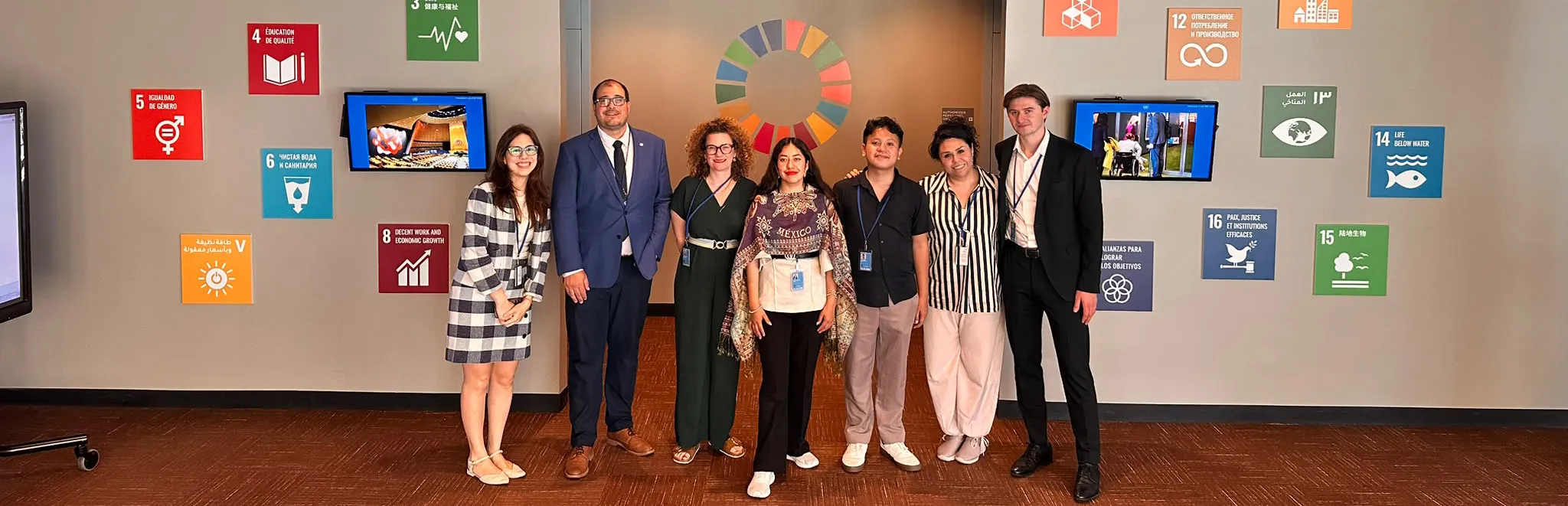
How can we ensure every young person has the opportunity to build a secure, meaningful future through decent work?
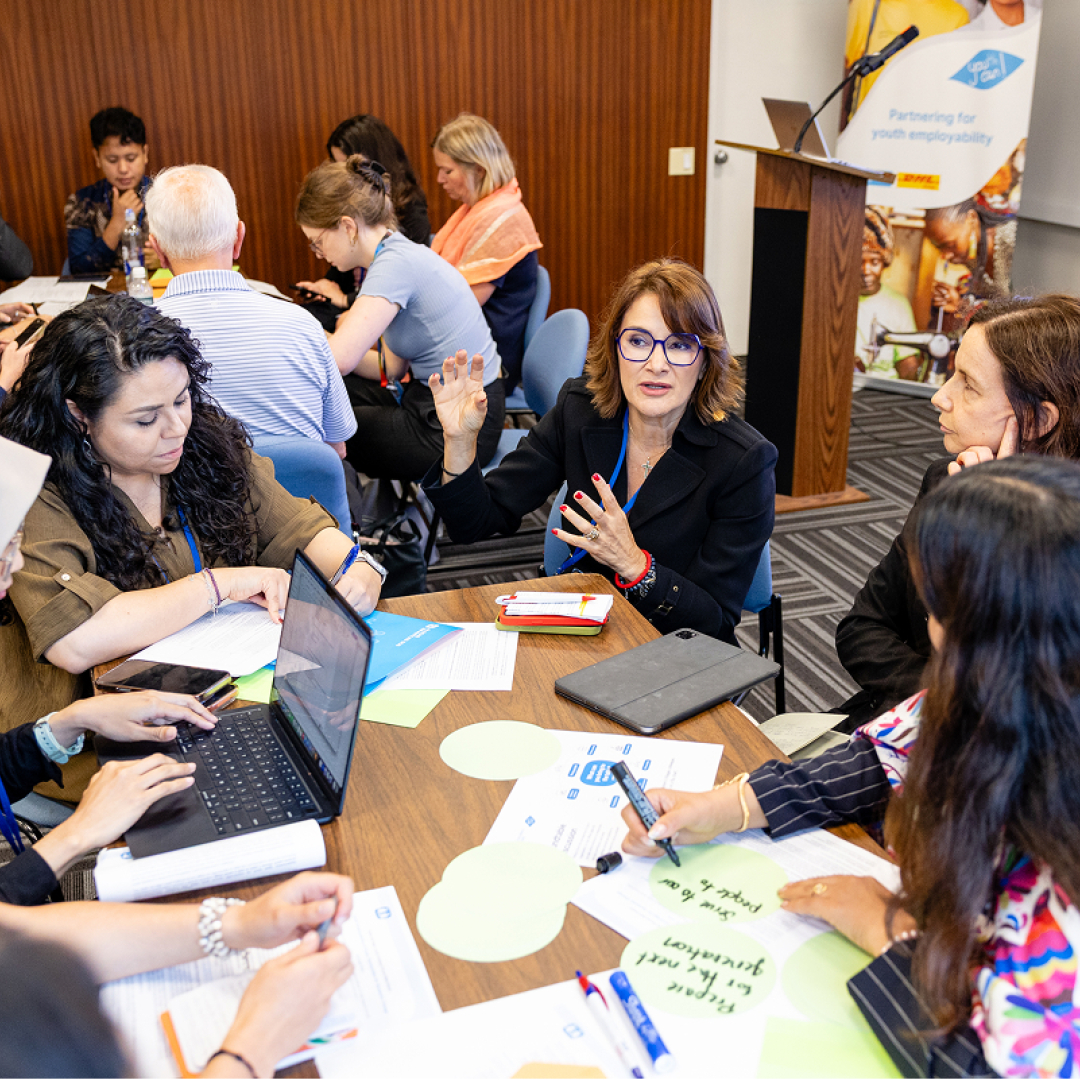
At the United Nations High-Level Political Forum in New York in July, young people joined governments, businesses and civil society organizations to explore answers. During a side event hosted by SOS Children's Villages, participants discussed how stronger partnerships can expand access to skills development, decent work, entrepreneurship and self-reliance.
Organized with support from Germany's Federal Ministry for Economic Cooperation and Development and the International Labour Organization, the event reflected the spirit of Sustainable Development Goal 17 (Partnerships for the Goals): no single organization or sector can solve youth unemployment alone.
Marc Bonomo, Vice President, Programs and Partnerships at SOS Children's Villages Canada, joined partners, UN agencies and youth delegates to discuss how collaboration can help more young people successfully transition into employment and entrepreneurship.
"The world of work is being rapidly transformed by climate change, digital transformation and AI. We need to find solutions to help young people access the skills, training and mentorship opportunities they need to launch their careers or small businesses."
Turning global challenges into opportunities
Around the world, millions of young people continue to face barriers to decent work. Globally, one in five young people are not in employment, education or training (NEET), with young women twice as likely than young men to fall into this category.
Even when young people find work, it is often informal, meaning they may have low or unpredictable wages and limited access to workplace protections and social benefits.
For young people without parental care, these challenges can be even greater. Disrupted education, fewer safety nets and limited access to professional networks can make the transition to employment and independence more difficult.
Cynthia Samuel-Olonjuwon, Special Representative to the United Nations of the International Labour Organization, emphasized that responding to these challenges requires both ambitious action and meaningful youth participation.
“Let’s ensure that our efforts match the scale of the challenge, that they are grounded in evidence, and that they put young people not just at the table, but in the leadership of the engagement.”
She also highlighted the importance of creating jobs in growing sectors, including the green, digital and care economies, protecting young people's rights at work, and building effective partnerships across governments, employers, civil society, international organizations and young people themselves.
A Canadian partnership creating opportunities
One of the youth delegates was Lizeth Gomez Rubio of Mexico, a member of the YouthCan! Youth Council and a YouthRISE participant. YouthRISE launched in 2024, is a partnership between Scotiabank and SOS Children’s Villages Canada, Jamaica and Mexico.
Lizeth described challenges ranging from the cost of transportation and technology to the difficulty of finding stable employment, even for those with higher education. She also spoke about the difference that access to technical training, digital skills and corporate mentorship made in her own transition towards independence.
The discussion also showed what partnerships can mean in practice. For Lizeth, YouthRISE has been transformative.
"My experience has been a journey of professional and personal growth. It has strengthened my skills and helped me develop strategies that I can also share with other young people."
She believes YouthCan! gives young people practical tools to discover their potential, prepare for employment, pursue entrepreneurship and shape their own futures. At the United Nations, Lizeth also called for young people to have a greater say in the decisions that affect their futures.
"My wish for the future is that more businesses, governments and organizations see us and ensure that our voices count in the strategic decisions that shape our future."
Making opportunities accessible to young people
Adi Soumena of Indonesia, a member of the YouthCan! Youth Council, spoke about the barriers many young people face as they prepare for employment or entrepreneurship. For young people from low-income families, the cost of devices and internet access can put digital opportunities out of reach. Financial and geographic barriers can also limit access to opportunities, including transportation costs for young people living outside major cities and unpaid internships.
Adi emphasized that simply creating opportunities is not enough if young people cannot access them. As remote work becomes more common, Adi highlighted the importance of access to technology and digital skills, alongside training, mentorship and greater investment in youth leadership.
Partnerships that create lasting change
Creating pathways to decent work requires every sector to play a role.
Governments can create enabling policies. Businesses can provide mentorship, skills development and employment opportunities. Civil society organizations bring trusted relationships within communities and can help ensure that young people facing the greatest barriers are not left behind.
Halila Carrillo Tabash, CEO, Central and South America of DHL Express, explained that lasting change depends on everyone working together.
"NGOs can give us expertise and access to communities. Governments can allow us to scale the programs, and we have opportunities [for youth] coming from business.”
Helping young people transition into decent work requires more than training programs alone. It requires sustained investment, collaboration across sectors and a commitment to ensuring young people are not only included in the conversation, but are also helping lead it.
Learn more
-
Image
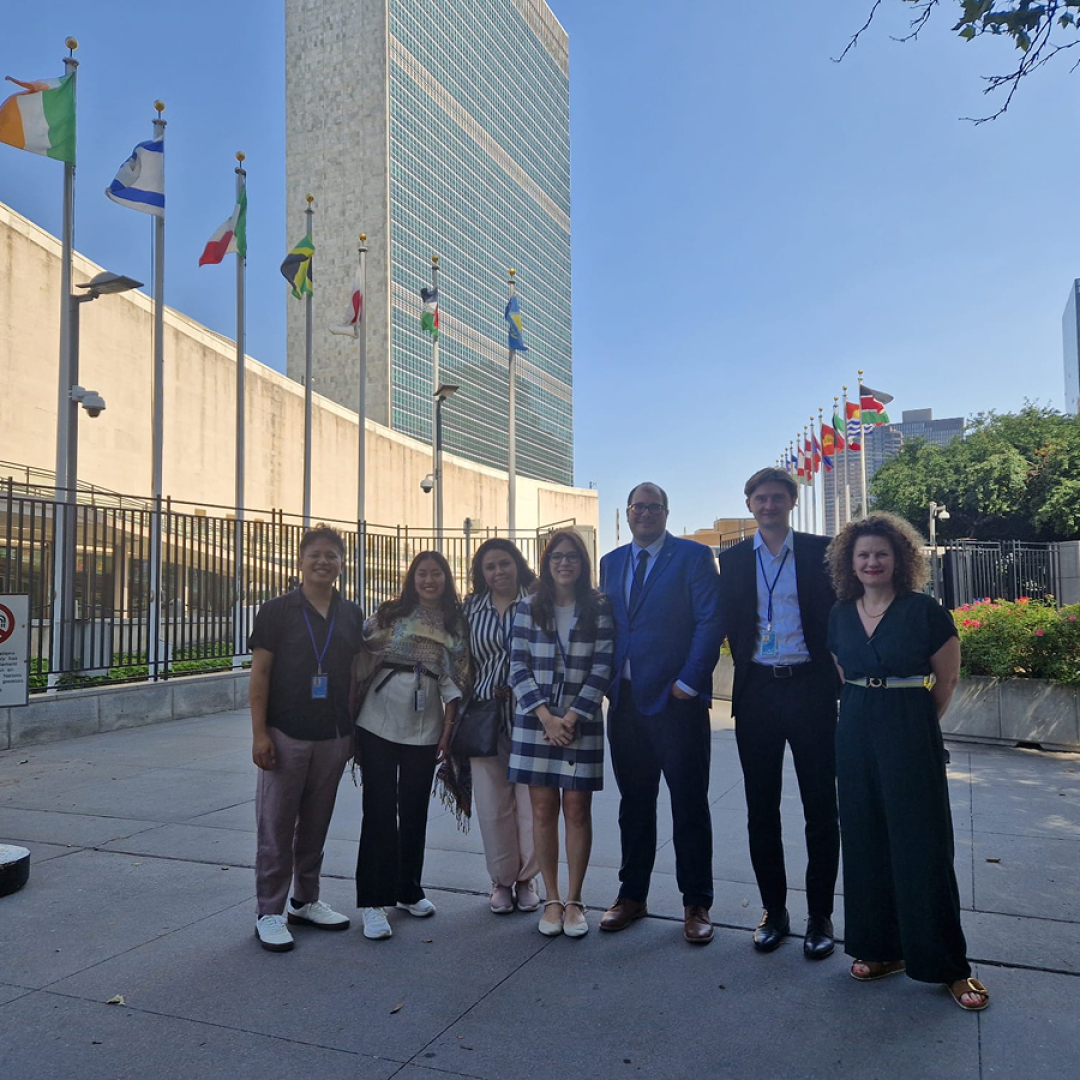
SOS Children’s Villages delegates standing in front of UN headquarters
SOS Children’s Villages delegates standing in front of UN headquarters -
Image
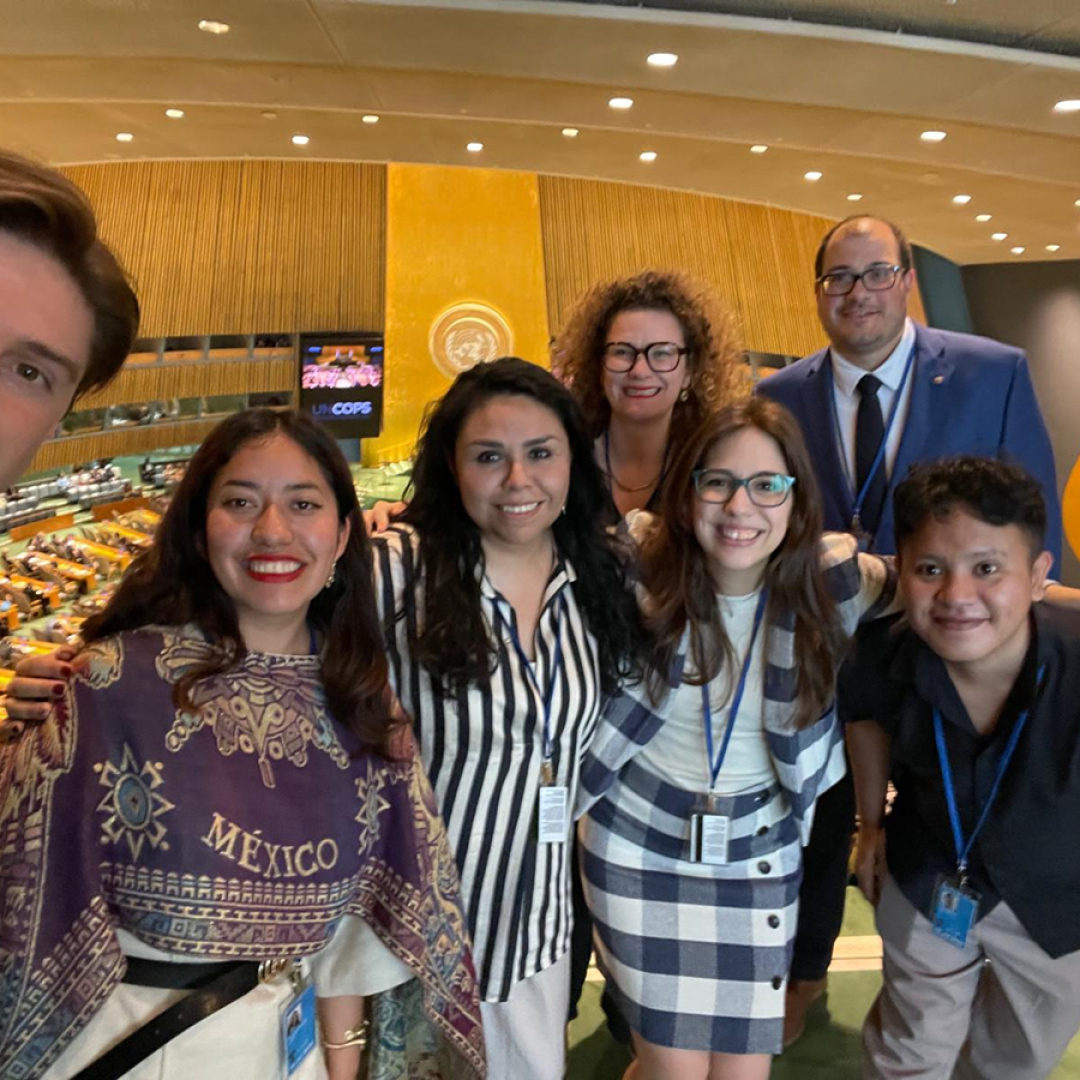
SOS Children’s Villages delegates in the UN General Assembly Hall
SOS Children’s Villages delegates in the UN General Assembly Hall -
Image
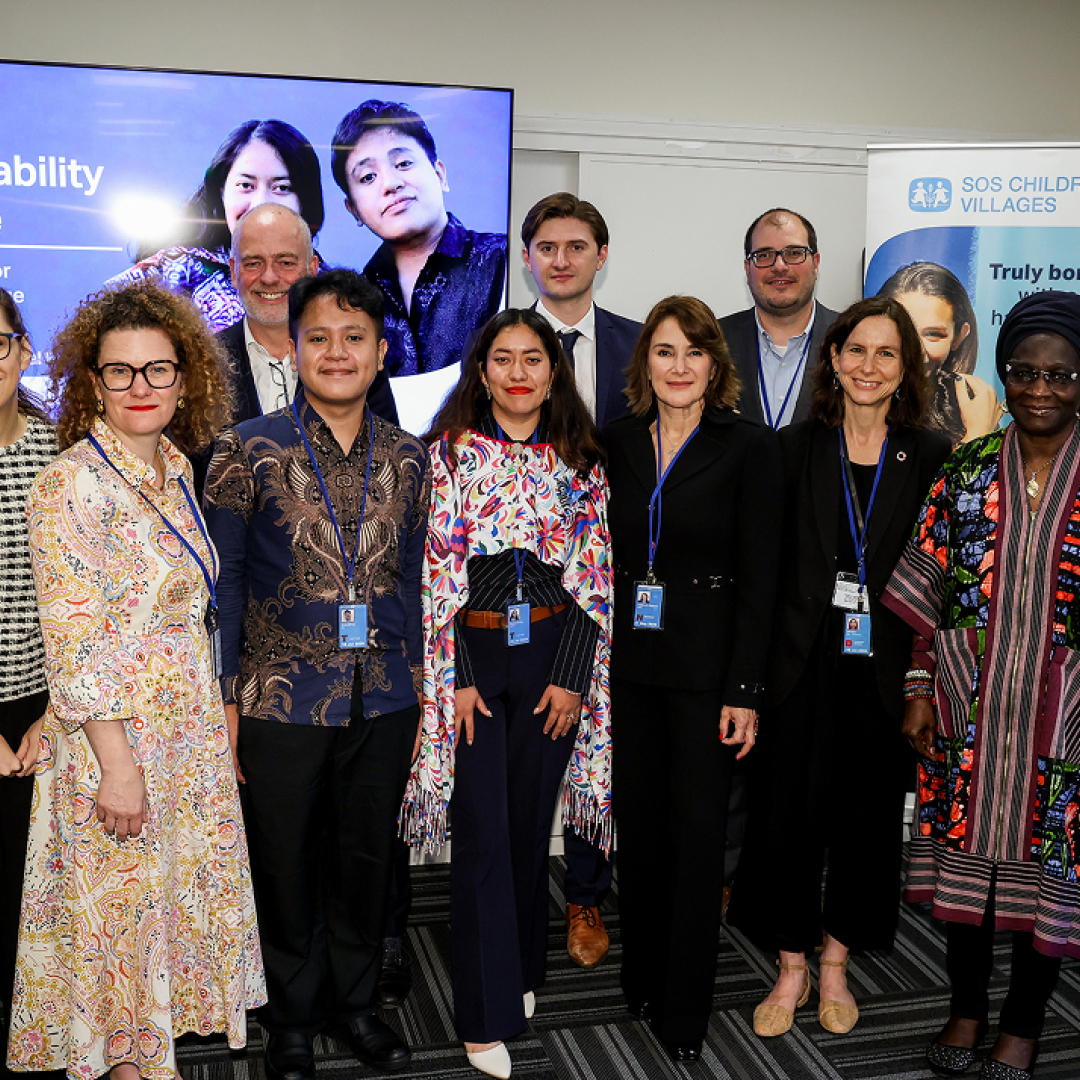
Delegates at the UN High-Level Political Forum side event, Youth Employability at Scale
Delegates at the UN High-Level Political Forum side event, Youth Employability at Scale -
Image
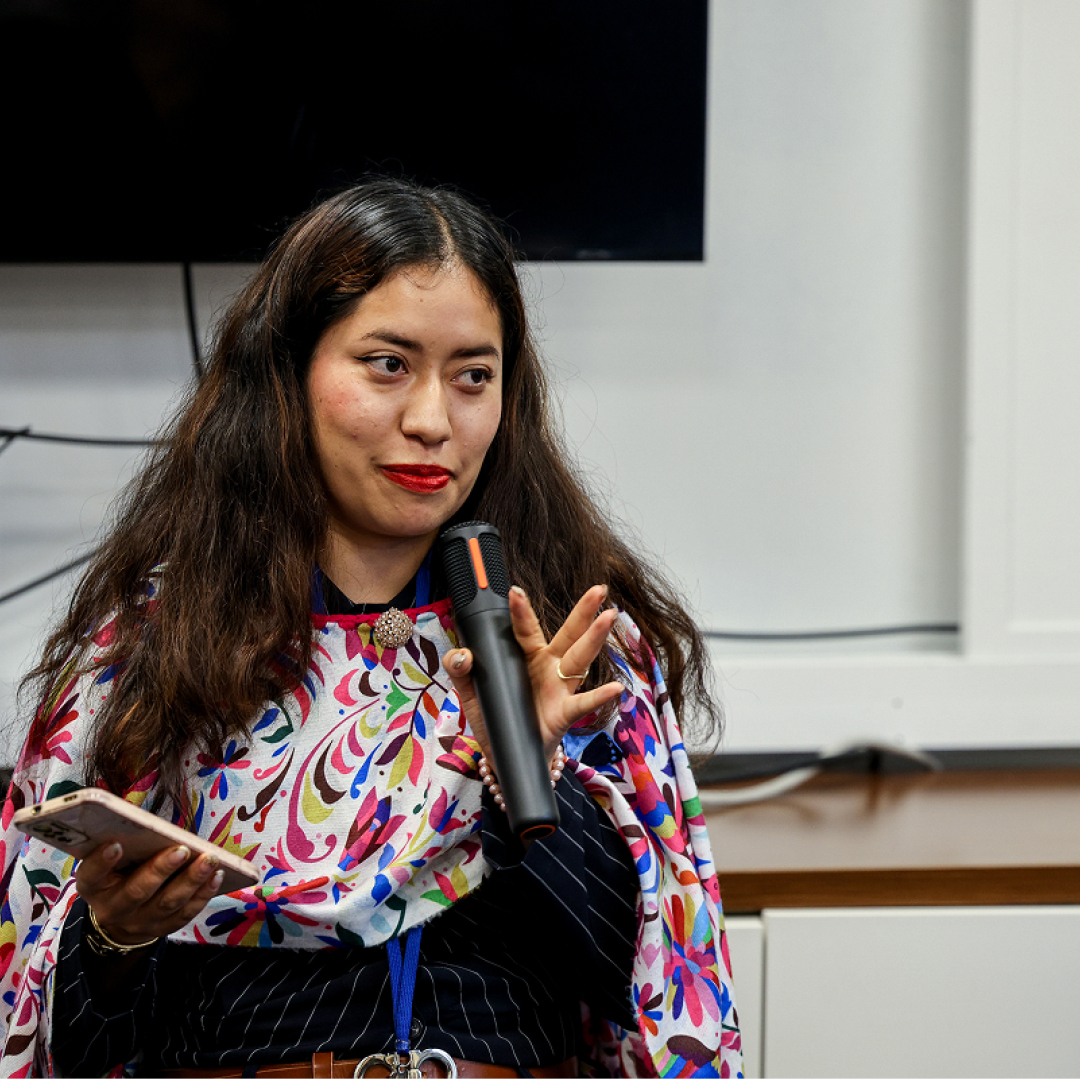
Lizeth Gomez Rubio of Mexico, member of YouthCan! Youth Council and YouthRISE participant
Lizeth Gomez Rubio of Mexico, member of YouthCan! Youth Council and YouthRISE participant -
Image
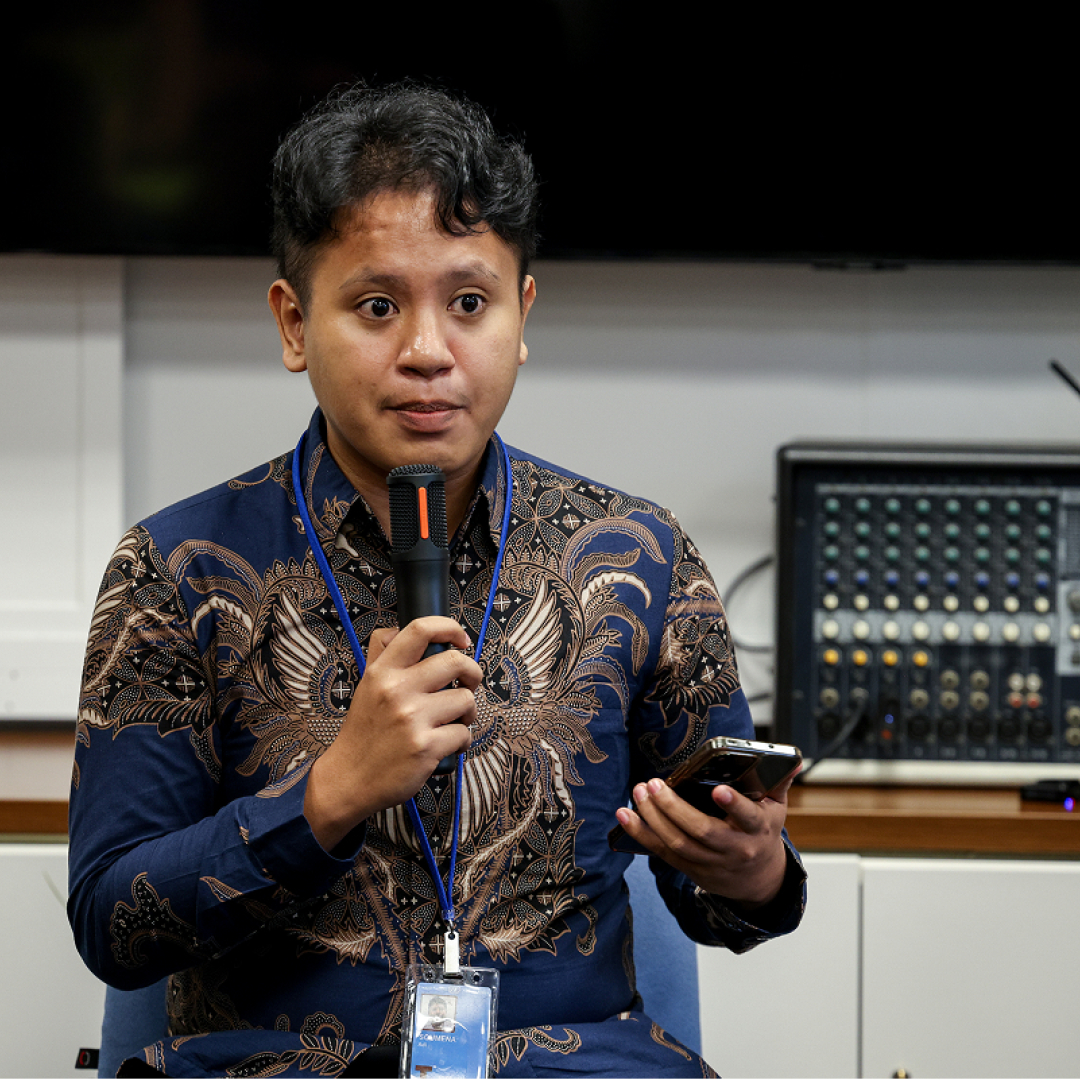
Adi Soumena of Indonesia, member of YouthCan! Youth Council
Adi Soumena of Indonesia, member of YouthCan! Youth Council -
Image
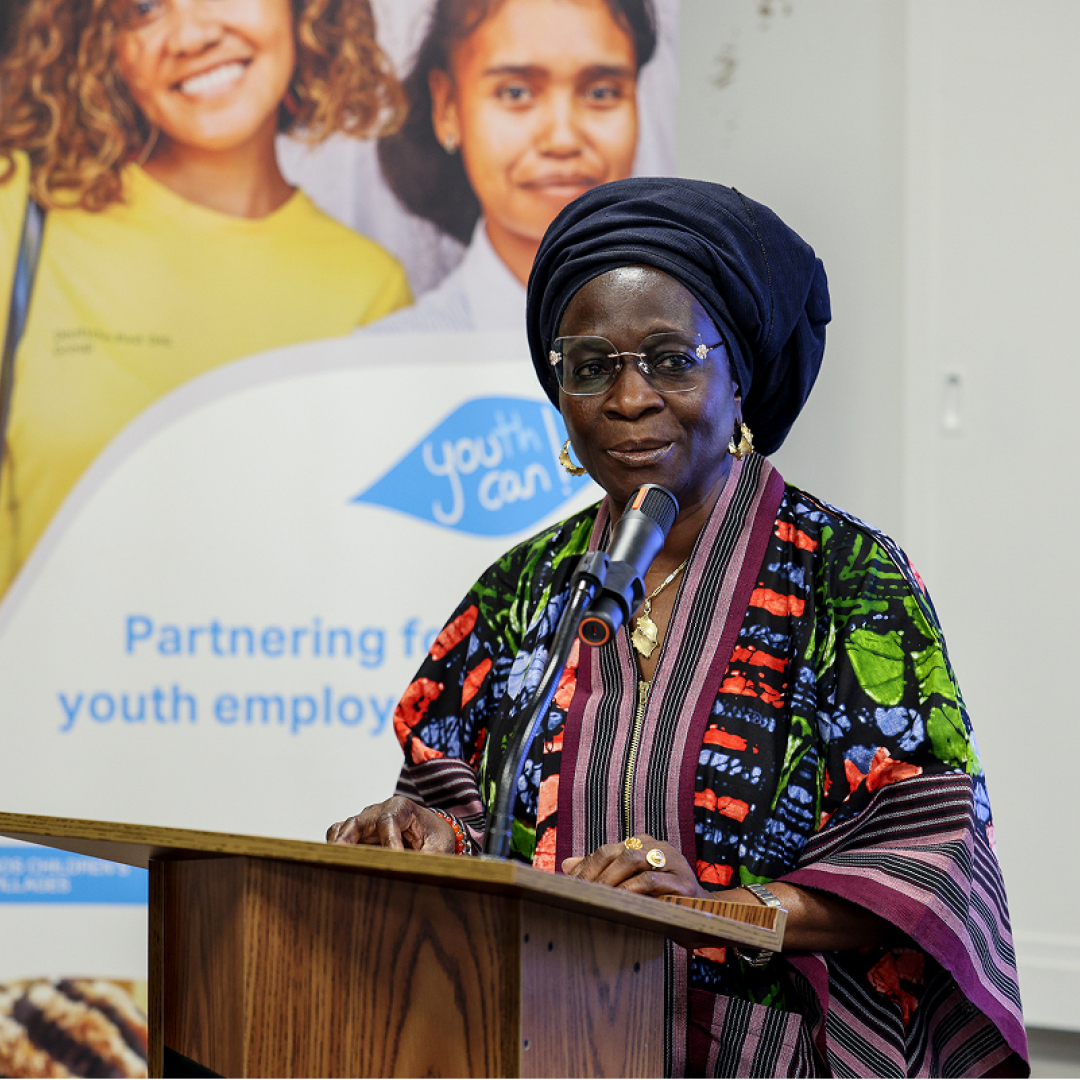
Cynthia Samuel-Olonjuwon, Special Representative to the United Nations of the International Labour Organization
Cynthia Samuel-Olonjuwon, Special Representative to the United Nations of the International Labour Organization -
Image
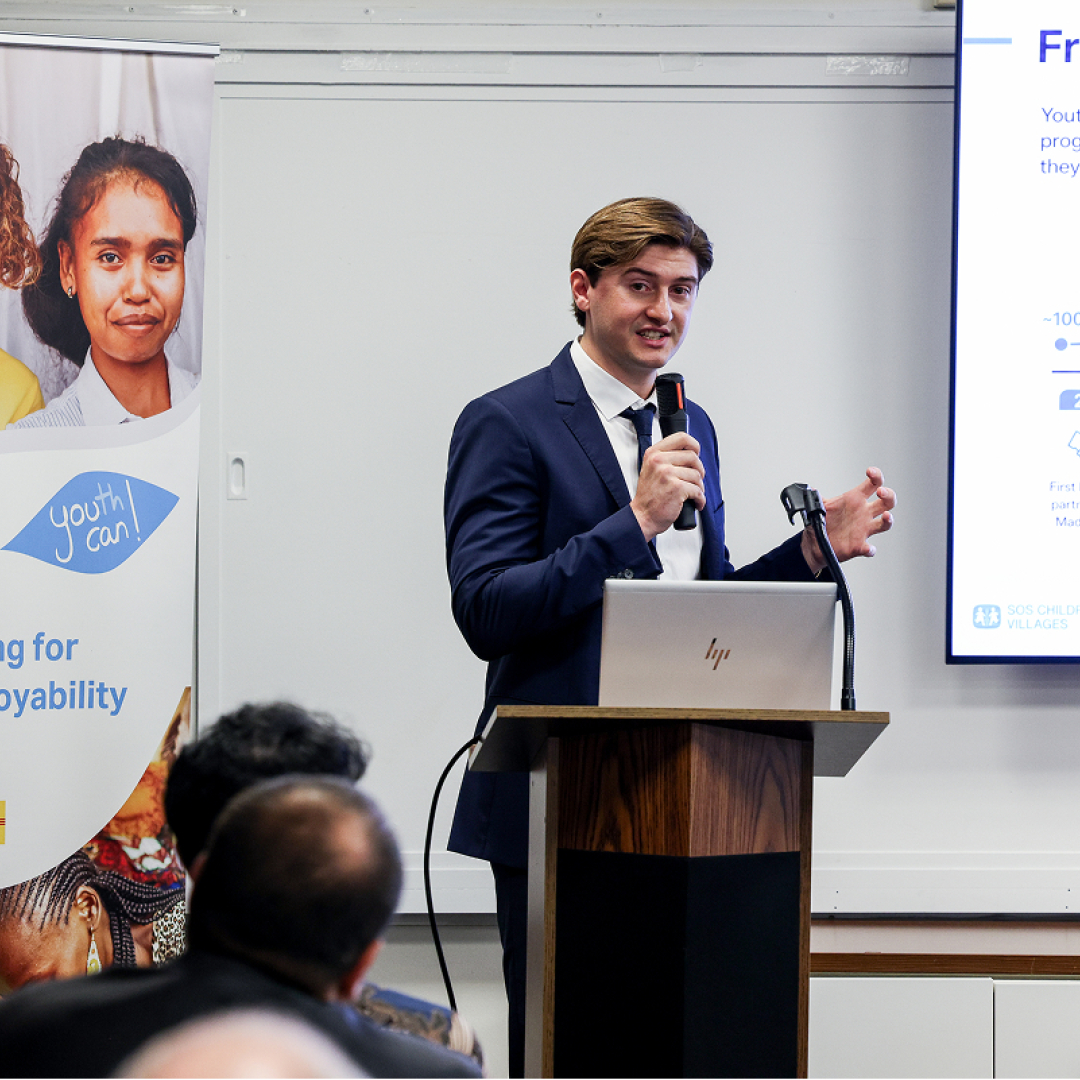
Martin Schmid, Senior Manager, Employability and Entrepreneurship, SOS Children’s Villages International
Martin Schmid, Senior Manager, Employability and Entrepreneurship, SOS Children’s Villages International -
Image
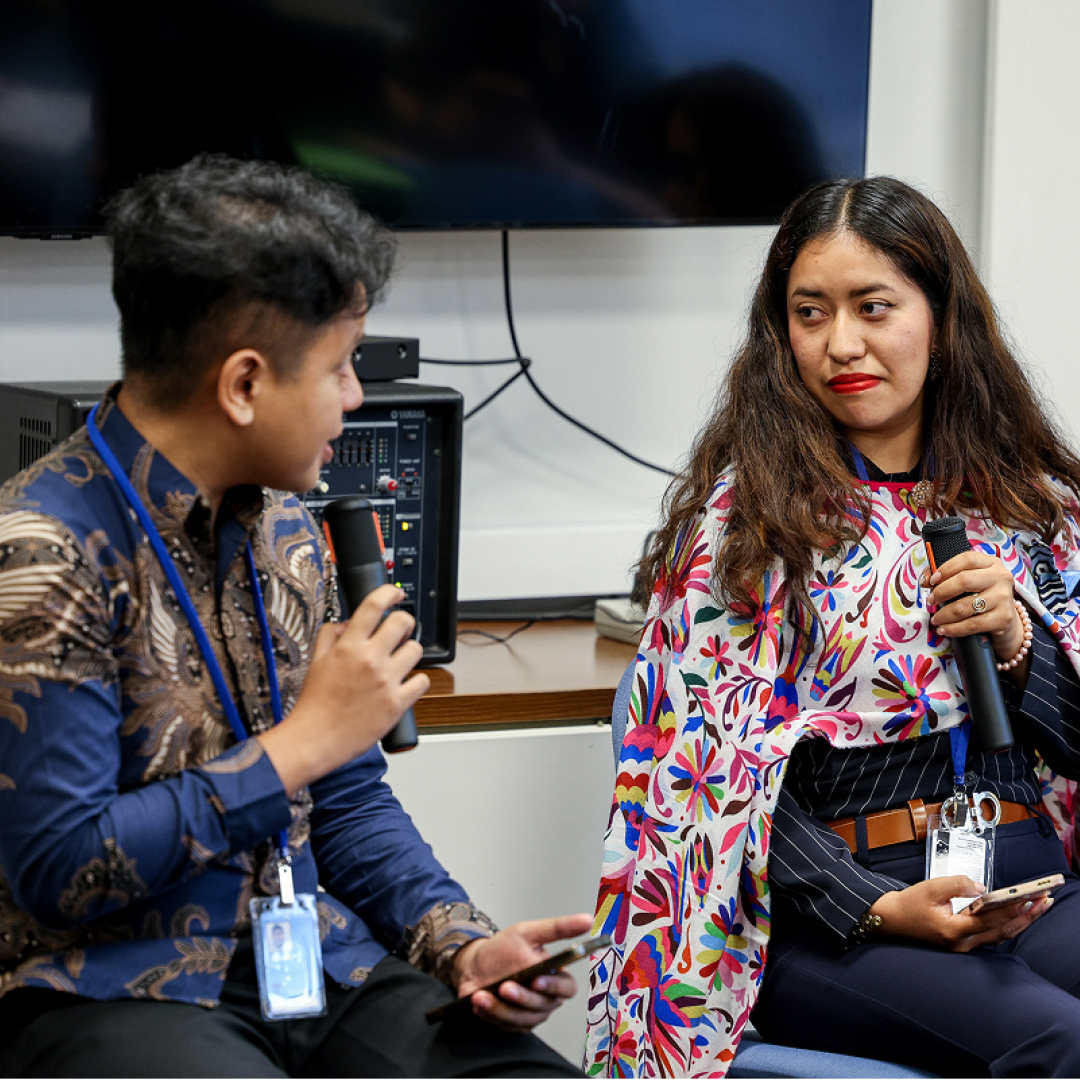
Two young people, Lizeth, 23, from Mexico, and Adi, 23, from Indonesia, share lived experiences, reflections, and recommendations
Two young people, Lizeth, 23, from Mexico, and Adi, 23, from Indonesia, share lived experiences, reflections, and recommendations -
Image
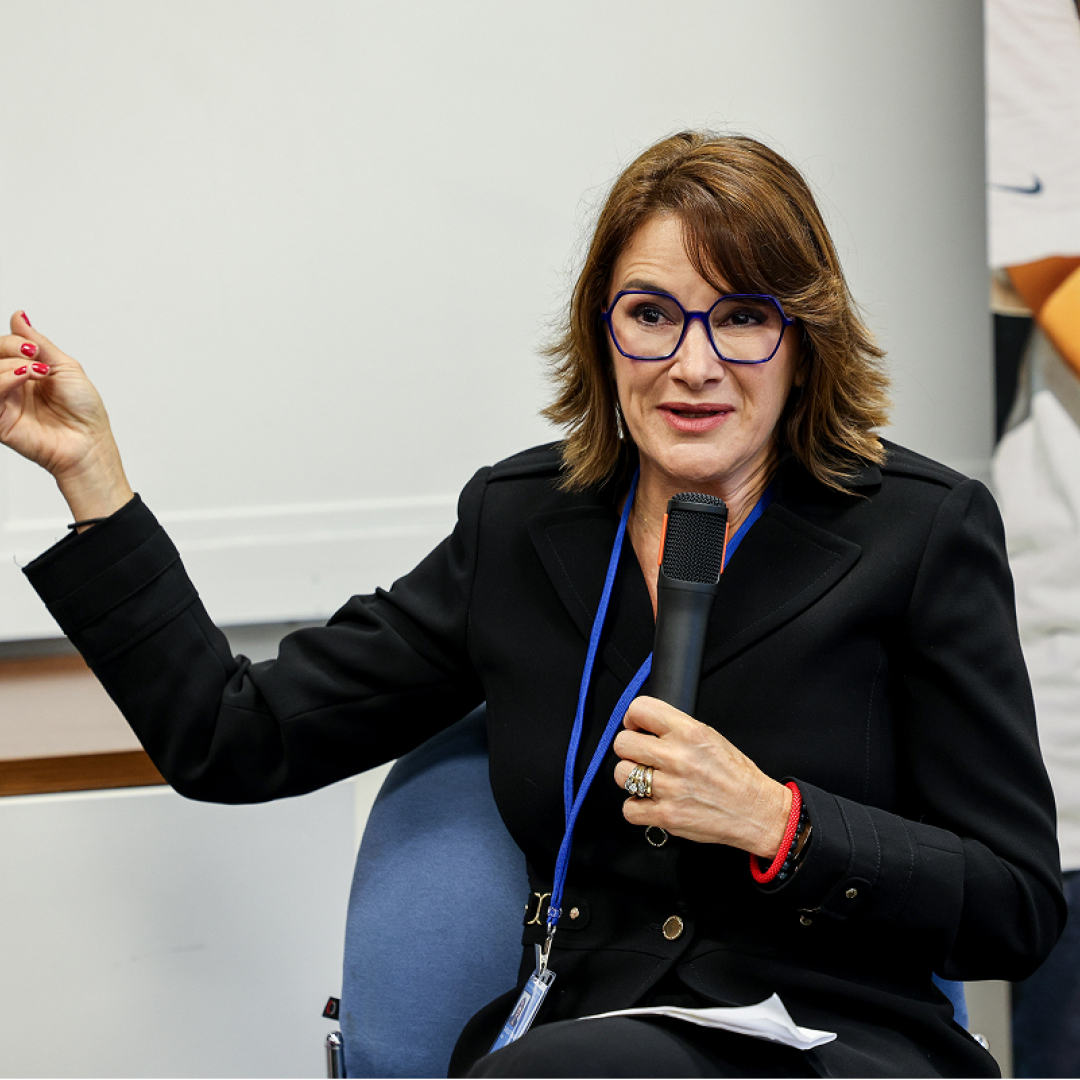
Halila Carrillo Tabash, CEO, Central and South America of DHL Express
Halila Carrillo Tabash, CEO, Central and South America of DHL Express -
Image